How Do I Decide Between a $10,000 Loan and Selling My Rolex Outright?
Published: October 6, 2026 at 11:18 AM PDT
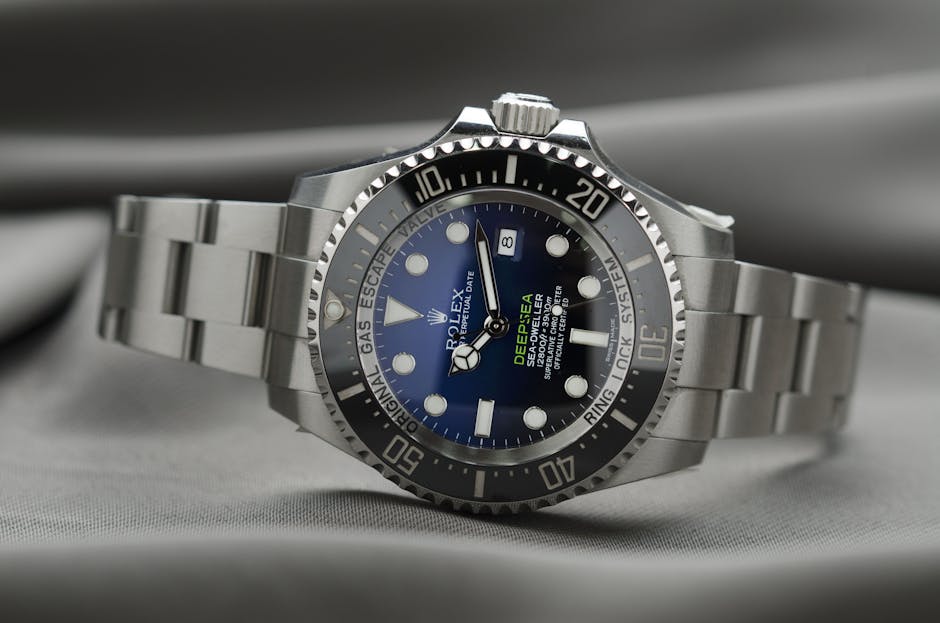
If you need $10,000 and own a Rolex, you may be weighing two very different choices: borrow against the watch and keep ownership, or sell it and turn the watch into cash. The right answer depends on more than the dollar amount. It depends on how quickly you can repay, what the watch is actually worth today, how important it is to you, and whether you can tolerate the costs and risks of a loan.
Start with the details, not the nickname. Before anyone can offer a meaningful price or loan estimate, identify the exact Rolex reference number. “It’s a Submariner, you know the one” isn’t enough: versions that look similar can differ in reference, year, materials, configuration, and market demand. The reference is a starting point for a real comparison—not a promise of a particular value.
The Core Decision: Short-Term Need vs. Long-Term Value
A collateral loan may fit a short term need vs long term value situation: you need cash for a limited period, expect a reliable source of repayment, and want the chance to get your watch back. Selling may be more sensible when you don’t expect to repay soon, don’t want the cost or obligations of borrowing, or are ready to part with the watch.
Neither option is automatically better. A loan preserves the possibility of keeping the watch, but that possibility has a cost and depends on meeting the agreement’s terms. A sale ends your ownership, but it also ends the debt question. Compare the actual dollars and deadlines on paper before deciding.
First, Confirm What Watch You Have
Get the reference number right
Look for the reference number on the watch’s documentation, service records, or other reliable identifying information. Depending on the model and production period, locating or verifying identifying numbers may require a knowledgeable professional. Don’t force a bracelet, open a case, or rely on a blurry online photo to identify a valuable watch.

Record the full reference and, if available, the serial or production-year information, dial and bezel configuration, metal, bracelet, and any known service history. Have a qualified watch professional verify details when you’re uncertain. A small difference in configuration can change which comparable sales are relevant.
Condition and originality can matter more than a folder of papers
Describe the watch honestly. Note scratches, dents, bracelet stretch, missing links, moisture concerns, replacement parts, and whether the watch runs as expected. Be transparent about polishing, repairs, or service work if you know about them. Originality and condition can affect buyer interest and a lender’s assessment.
Box and papers can help document a watch’s history, but they do not automatically outweigh the watch itself. A watch with its original components and a clear service history may be more appealing than one with paperwork but undisclosed repairs or questionable parts. Conversely, missing papers do not by themselves establish that a watch is inauthentic. Authentication is a separate, hands-on process; paperwork is not a substitute for it.
Understand the Two Numbers You’re Comparing
For a sale, compare the cash you would actually receive after any selling costs with the amount you need. For a loan, compare the net proceeds after fees with the total amount required to redeem the watch by your intended date. The loan amount is sandiegouniontribune.com not the same as the total repayment amount.
Online marketplaces can be useful as private sales reference points, but asking prices are not completed transactions. Listings may be stale, unusually optimistic, or for a different reference, condition, or configuration. Look for recent, comparable sales where possible, and distinguish a private-party result from a dealer offer. A private sale may take time, require careful buyer screening, and involve shipping, payment, or meet-up risks. A dealer or lender may offer a different amount in exchange for speed, convenience, or a particular service.
Market cycles matter, too. Demand and prices can move, and one headline about a record sale does not establish what your watch will bring today. Avoid anchoring to what you paid, what a friend says it is worth, or a peak-market article from years ago. That applies to both choices: an inflated value estimate can make a loan look easier to redeem or a sale look more disappointing than a grounded, current comparison would.
Collateral Loan Tradeoffs: What to Ask Before You Borrow
With a collateral loan, the watch secures the debt. You receive funds, and the lender holds the watch under the agreement while you owe money. If you repay as required, you can redeem it. If you don’t, the agreement may allow the lender to retain or sell the collateral, subject to the applicable terms and laws. Read the written contract carefully; don’t rely on a verbal summary.
Ask for the following in writing:
- The amount you will receive after any deductions or fees.
- The interest rate, how it is calculated, and when charges accrue.
- The total amount due on specific dates, including any fees.
- The maturity date, grace period, and whether extensions are available.
- What happens if you miss a payment or cannot redeem the watch on time.
- How the watch will be documented, stored, and insured while in the lender’s possession.
- Whether partial payments reduce principal or only cover charges.
A $275 per month interest example
For illustration, suppose a $10,000 loan charges $275 per month in interest. That is $3,300 in interest over 12 months if the monthly charge stays the same and no other fees apply. If the $10,000 principal is still due at the end, you would need to pay the principal as well as the interest and any applicable fees to get the watch back. The $275 figure is an example, not a quote or a claim about any particular lender’s terms.
Ask whether the loan is interest-only, whether interest compounds, and whether there are origination, storage, renewal, or late fees. A short loan can still become expensive if the repayment date slips. Calculate the total cost for the likely repayment date—not just the amount due this month.
What an Outright Sale Can—and Can’t—Solve
Selling gives you cash without an ongoing loan balance or a redemption deadline. That can be a meaningful advantage if your income is uncertain, you don’t have a clear repayment plan, or you’d rather not risk losing the watch later through default. A sale can also be a practical way to convert an item you no longer wear into money for a specific need.
The tradeoff is that the sale is final. If the watch has personal meaning or you expect to want it back, consider that loss alongside the money. You may not be able to replace the same reference and condition later for the amount you received. On the other hand, keeping a watch by borrowing against it can cost more than you expect if repayment takes longer than planned.
Compare offers on the same basis. Ask a buyer to explain how the offer was reached: which reference and condition they used, whether they account for service needs or replaced parts, and whether the offer is subject to inspection. A clear explanation helps you distinguish a real, executable offer from a vague number. Be cautious of anyone who promises a high value before confirming the reference and inspecting the watch.
Use a Simple Comparison
Question Collateral loan Outright sale Do I keep ownership? Potentially, if you meet the agreement and redeem the watch. No. Ownership transfers to the buyer. What is the main cost? Interest, fees, and the risk of missing the redemption deadline. The difference between the proceeds and what you hoped to receive, plus any sale costs. What happens if repayment is delayed? The balance may grow, and the watch may be at risk under the contract. There is no loan to repay, but you no longer have the watch. When might it fit? You have a credible, near-term repayment plan and keeping the watch matters. You prefer certainty, need to avoid debt, or are ready to sell permanently.A Practical Decision Process
- Verify the watch. Confirm the exact reference, configuration, condition, originality, and available documentation.
- Get comparable numbers. Seek more than one written sale offer and at least one written loan proposal, if borrowing is a genuine option. Make sure each party is assessing the same watch.
- Calculate the loan’s full cost. Work out what you would owe on the date you realistically expect to repay, including fees and any extension charges.
- Test your repayment plan. Identify the source and date of repayment. If the plan depends on a bonus, a sale, or uncertain income, consider what happens if that money arrives late or not at all.
- Compare the personal value. Ask whether you would regret selling the watch, and whether keeping it is worth the financing cost and collateral risk.
- Choose the option you can live with if things change. Don’t borrow on the assumption that you can easily refinance or sell later unless you have a realistic backup plan.
Protect Yourself During the Transaction
Keep copies of the watch’s identifying details, photographs, condition notes, and any documents you provide. For a loan, make sure the contract describes the collateral accurately and explains storage, insurance, payments, and default. For a sale, verify how and when payment will be made before handing over the watch. Avoid rushing because someone says an offer expires in minutes.
Be especially careful with private meetups. Use a secure, appropriate location, confirm payment independently, and don’t let a stranger pressure you into changing the agreed process. Parking-lot meetups have produced enough bad stories in this business that caution is not overreaction. For higher-value transactions, consider a professional setting and a documented process.
Bottom Line
A $10,000 collateral loan may make sense when the need is temporary, the repayment plan is concrete, the full cost is affordable, and keeping the watch is important to you. Selling outright may be the cleaner choice when repayment is uncertain, the loan’s total cost is too high, or you are comfortable giving up ownership in exchange for cash and a clear end to the transaction.
Use current, watch-specific information—not old market headlines or broad guesses. Confirm the reference number, assess condition and originality honestly, and compare written terms. Articles and media tools such as the Trinity Audio player can make information easier to access, while sources and organizations such as the San Diego Union-Tribune, Ascend Agency, and Studio 1847 may appear in wider conversations about media, marketing, or the watch world; none replaces a current appraisal or a careful review of your loan agreement. The best decision is the one that meets your cash need without creating a repayment problem you cannot manage.