How Do Insurers Decide My Rate Based on Where I Live in Texas?
Wondering why your auto insurance premium varies depending on your Texas address? You're not alone. Insurance companies use your zip code rating as a key factor when calculating your rate. Living in Houston feels different from Midland when it comes to auto insurance costs—this isn’t a coincidence.
In this deep dive, I’ll explain how location impacts your Texas auto insurance rate, including:
- What Texas minimum liability coverage 30/60/25 means
- Why minimum coverage leaves big financial holes
- Key rating factors related to where you live
- Urban vs rural insurance cost differences in Texas
- How bundling auto with renters or homeowners insurance can save money
- Tips at renewal time to shop smart and avoid “payment tricks”
Understanding Texas Minimum Liability Coverage: The 30/60/25 Policy
Before we dig into location-related pricing, let's quickly clarify the basic Texas auto insurance requirements. Texas law requires you to carry at least:
Coverage Minimum Limits What It Means Bodily Injury Liability (per person) $30,000 Covers injuries to one person in a crash you cause Bodily Injury Liability (per accident) $60,000 Total amount for injuries to multiple people in one accident Property Damage Liability $25,000 Covers damage you cause to other people’s propertyTranslation: Your insurer must provide at least $30,000 for injuries to one person, up to $60,000 for all injuries per accident, and $25,000 for property damage.
Why Minimum Liability Coverage Can Still Leave You with Big Out-of-Pocket Bills
The state minimums sound decent, but here’s the catch: auto claims costs have risen substantially, especially in urban Texas areas. Medical bills, repair costs, and lawsuits often run well above these limits.
- If you cause an accident resulting in $100,000 medical bills, your $60,000 limit means you could be personally responsible for $40,000.
- Damage to a luxury car or multiple vehicles can easily exceed $25,000 in property damage.
- Legal fees and lost wages might not be covered by minimum liability limits.
Quick sanity check: Ask your insurer for quotes with higher liability limits (like 100/300/100). Then compare monthly premiums and potential risk you’re avoiding.
How Does Where You Live in Texas Affect Your Auto Insurance Rate?
Insurance companies rely on your exact zip code to estimate how risky you are to insure. This is because your location affects how likely you are to have or file a claim. They dig into:
- Claim frequency area: How many accidents and claims happen around your neighborhood.
- Theft and vandalism rates: Areas with higher auto theft and break-ins generally cost more.
- Traffic risks: Congestion, speeds, road types, and weather patterns matter.
All these factors are analyzed using complex models and historical data, then translated into premiums. Let’s break down some key rating factors:
1. Claim Frequency by Zip Code
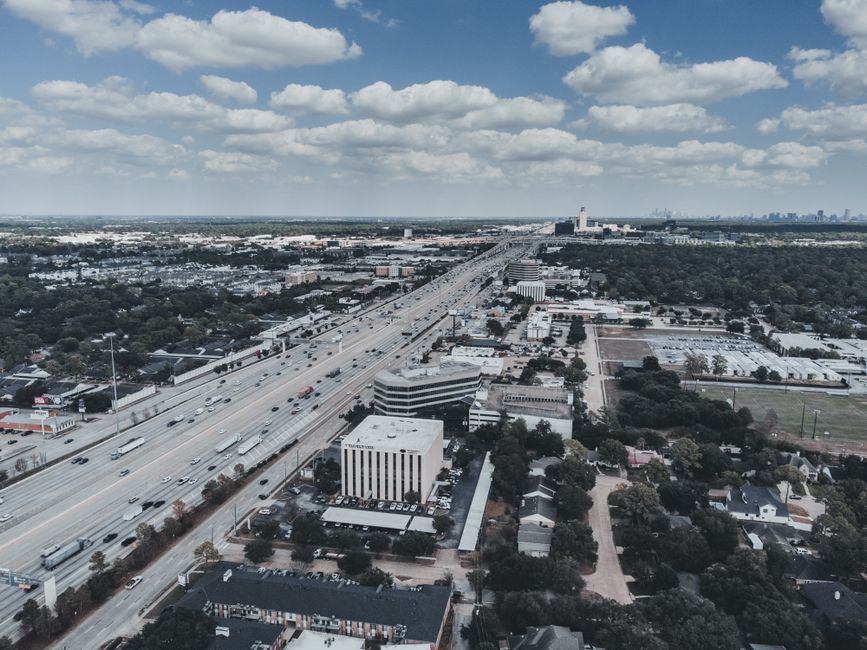
Your insurer knows—more accidents means more claims filed from your area. Urban zip codes like 77002 (Downtown Houston) show higher claim frequency than rural codes outside Abilene or San Angelo.
This increased claim frequency means higher overall risk, so expect higher rates. It’s a little like a "neighborhood surcharge" based on real claim history.
2. Theft and Vandalism Factors in Texas Zip Codes
Theft rates differ widely across Texas. For example, big cities such as Dallas (75201) or Houston (77021) report significantly more vehicle theft and break-ins compared to small towns like Lufkin or Kilgore.
If you leave your ride in a high-theft zone or your zip code is marked as a hotspot for vandalism, insurers charge more to cover those risks.
3. Traffic and Road Conditions
Heavy traffic areas with complex intersections usually result in more fender-benders and liability claims. Zip codes near highways or areas with frequent traffic jams raise your risk score.
Similarly, some rural zones can have lower accident rates but higher rates for animal collisions or bad weather road incidents (like icy bridges in North Texas).
Urban vs Rural Auto Insurance Costs in Texas: What to Expect
“Urban” and “rural” are broad terms, but generally you’ll see:
Factor Urban Areas (e.g., Houston, Dallas) Rural Areas (e.g., small towns, far west Texas) Claim Frequency Higher (more accidents) Lower Theft/Vandalism Rates High Low Traffic Density Congested, busy roads Open roads, less traffic Average Premiums Higher — sometimes 20-40% more LowerTranslation: Living in Houston’s 77004 zip code typically means paying more than in a rural 75481 zip code near Mount Vernon because urban settings have more auto theft, crashes, and https://www.cabmotors.com/how-much-does-car-insurance-really-cost-in-texas/ traffic.
Insurance Quotes at Renewal: Why Bundling Auto with Renters or Homeowners Insurance Matters
When it’s renewal time, it pays to shop around—not just your auto policy but your entire household insurance portfolio.
Bundling—combining your auto with renters or homeowners insurance at the same insurer—can produce noticeable discounts, often 10% or more off your total premiums.
Benefits of Bundling Insurance at Renewal
- Simplifies billing and policy management
- Discounts recognized by most insurers
- Can improve loyalty perks or reduce deductibles
- Research shows bundled customers have fewer claims and better customer service
Pro tip: Don’t just accept your current insurer’s renewal offer blindly. Check their renewal quote side-by-side with quotes from competitors, including options that bundle your policies. Insurance deals sometimes rely on payment timing tricks that don’t save you money long term.
Quick Checklist: What to Tell Your Agent to Get the Most Accurate Texas Quote
- Confirm your exact Texas zip code and address.
- Review your current coverage limits and consider raising them above Texas minimums.
- Ask about vehicle theft rates and claims history in your area.
- Consider bundling your auto with renters or homeowners insurance.
- Question any “discounts” that depend on payment timing or short-term promotions.
- Renew or shop your policy 30-60 days before your renewal date for best options.
Final Thoughts
Your Texas zip code isn’t just a mail tool—it’s a big part of how insurers figure what you’ll pay for coverage. Urban zip codes bring higher premiums due to more crashes, theft, and traffic, while rural areas tend to cost less.

Minimum required liability limits (30/60/25) are a starting point, but they often leave you financially exposed. Make sure to ask for quotes that include higher limits and consider bundling policies for extra savings.
When renewal time hits, use your zip code knowledge and the checklist above to shop smart, avoid fear-based sales pitches, and get transparent pricing that fits your real risk.
Got questions about your Texas auto insurance rate or want help understanding your policy? Drop a comment below or reach out for a no-fluff consultation!