What Questions Should I Ask an Agriculture Accountant About Basis?
When a farm family talks about succession, the conversation often turns quickly to estate tax. For most farm estates, federal estate tax is not the main threat. Income tax can be the bigger problem—especially when years of depreciation have reduced the tax basis of equipment, buildings, or other assets that someone may sell after a transfer.
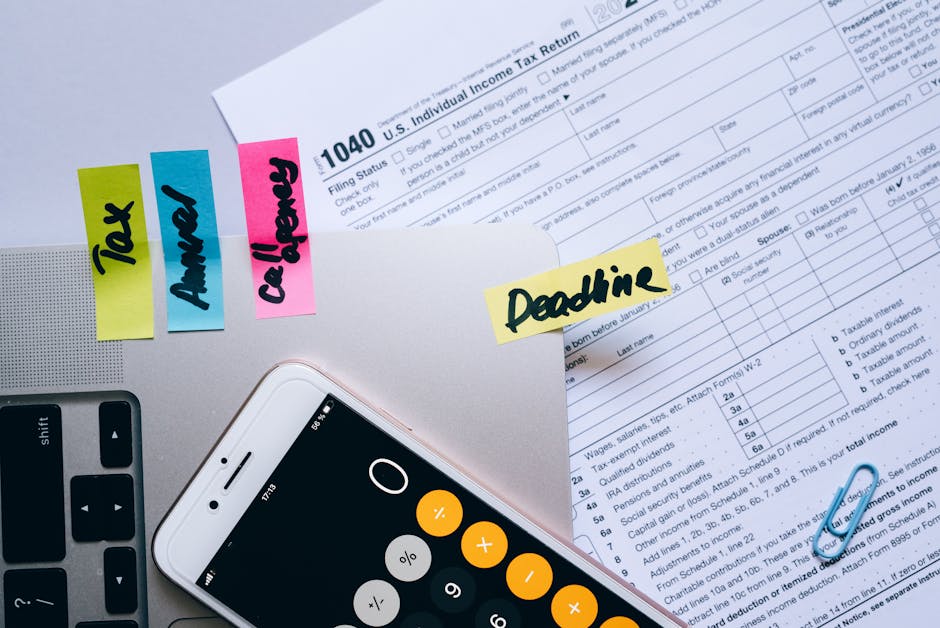
Basis is the tax value assigned to an asset. It generally starts with cost, may increase with certain improvements, and can decrease through depreciation or other adjustments. That number can shape the tax result when you sell, gift, or inherit property. It can also affect whether the next generation can use depreciation deductions.

Before discussing a trust, buyout, or transfer, ask the practical question I start with: Who is likely to sell this asset, and when? The answer can change which tax consequences matter most. Use the questions below to make an agriculture accountant planning meeting more specific—and to help your family understand the basis behind the plan.
Start With the Farm’s Asset Picture
Basis planning is only as useful as the records behind it. A farm may have machinery bought across several decades, land acquired by purchase or inheritance, buildings improved over time, and property owned through different entities. A Schedule F can provide important operating information, but it does not serve as a complete basis ledger. Depreciation schedules and asset-level records matter too.
Questions to ask about your records
- Can you prepare a current list of our land, buildings, equipment, livestock, and other significant assets, including who owns each one?
- Do we have a separate tax basis and adjusted basis for each asset—not just a rough estimate of market value?
- Which records are missing, and what documents could help reconstruct basis, such as purchase agreements, closing statements, invoices, old tax returns, or probate records?
- Are assets owned personally, by a partnership, an LLC, an S corporation, or another entity—and how does that affect basis reporting?
- Can we review the depreciation schedules alongside our Schedule F returns and asset records?
Ask the accountant to identify assumptions rather than bury agdaily.com them in a spreadsheet. For example, if an old machine has no original invoice, the estimate should be marked as an estimate. A farm basis worksheet review should show where each number came from, what remains uncertain, and who needs to locate supporting documents.
Ask How Depreciation Has Changed Basis
Depreciation can reduce taxable income while the farm uses an asset. It also generally reduces the asset’s adjusted basis. That creates a tradeoff worth understanding: the farm received deductions in earlier years, but a later sale may produce taxable gain even if the asset feels “paid off” or sells for less than its original cost.
Ask the accountant to explain this using one real machine, building, or other depreciated asset. A clear example often makes the issue easier to see than a general warning.
Questions about depreciation and recapture
- What was the asset’s original tax basis, and what depreciation has been claimed or allowed?
- What is its adjusted basis today, and does that figure include any basis adjustments or later improvements?
- Did we use Section 179, bonus depreciation, or another accelerated depreciation method?
- If we sell the asset for different prices, how much gain could be taxed as ordinary income?
- Are any assets fully depreciated but still valuable, in use, or likely to be sold?
For many types of business equipment, IRC Section 1245 can require depreciation recapture as ordinary income. Generally, the ordinary-income portion is limited to the gain attributable to prior depreciation, subject to the rules for the asset and transaction. A sale for more than the asset’s adjusted basis can therefore produce tax even when the sale price is below the original purchase price. Any gain beyond the applicable recapture amount may receive different treatment.
For example, imagine a tractor purchased for $200,000 that has $160,000 of depreciation and an adjusted basis of $40,000. If it sells for $90,000, the $50,000 gain over adjusted basis may generally be subject to Section 1245 recapture as ordinary income, depending on the full facts. The actual tax result depends on the depreciation history, transaction structure, and current law. Ask the accountant to model the real asset, not just rely on a simplified example.
Tax forms can help tell the story. The depreciation schedules show asset-level history, while Form 4797 may be involved when business property is sold. Schedule F reports farm income and expenses, but it does not replace those records. Ask the accountant which return forms and supporting schedules document each important basis number.
Separate Estate Tax From Income Tax
“Estate tax” gets used as shorthand for many different tax concerns. That can make families worry about the wrong thing—or overlook a more immediate income-tax cost. Federal estate tax affects a relatively small share of farm estates because the exemption is high compared with the value of most estates, though the exemption can change. State estate or inheritance taxes may also apply, and a large land-heavy operation can have different exposure from a smaller farm.
For many families, the more pressing succession question is what happens to income-tax basis when an asset changes hands. Inherited property may generally receive a basis adjustment under federal rules, often based on value at the date of death or an alternate valuation date if applicable. But that rule has exceptions and complications. Gifted property commonly follows different basis rules, and retirement assets or other income-in-respect-of-a-decedent items do not simply receive the same treatment as ordinary inherited property.
Questions about transfers and basis changes
- What basis rules may apply if we gift this asset, sell it to a child, transfer it to an entity, or leave it to heirs at death?
- Could an inheritance-related basis adjustment apply, and what assets or situations might be exceptions?
- Would a lifetime transfer preserve the current basis and depreciation history for the recipient?
- How do the ownership form and the family’s state of residence affect the analysis?
- What estate-tax exposure should we actually plan for, including any state-level tax, and how does that compare with potential income tax?
Do not assume that placing an asset in a trust automatically improves its tax result. A trust can serve useful legal and succession purposes, but it does not by itself answer who gets basis, who reports income, or what happens when property is sold. Ask for the basis and income-tax consequences of the specific trust and transfer being considered.
Model the Sale Before Choosing the Transfer
A family can make a plan that looks efficient on paper but creates a costly sale later. The key is to compare likely paths using the assets and timelines your family actually expects. That is the point of succession tax modeling: show the possible tax results under different ownership and sale scenarios before a transfer is hard to reverse.
Questions for succession tax modeling
- What if the next generation keeps the equipment and land for ten years?
- What if an heir sells machinery soon after inheriting it, or sells land to fund a buyout?
- How would a sale during the owner’s lifetime compare with a transfer at death or a gift now?
- Could the farm afford a buyout without forcing a sale of land or equipment?
- What are the estimated tax results under low, expected, and high sale-price assumptions?
- Which assumptions about depreciation, market value, debt, and timing drive the largest differences?
Ask for the assumptions in writing and request a plain-language summary. The model should identify who owns the asset, who may sell it, when the sale might occur, and how the proceeds would be taxed. It should also distinguish tax from cash flow: a profitable sale can still leave the farm short of cash for taxes, debt payments, or family distributions.
Asset or event Basis question to ask Why it matters Farm equipment What is its adjusted basis after depreciation? A sale may trigger ordinary-income recapture under Section 1245. Purchased land What was the purchase basis, and are later improvements documented? Basis affects gain if the land is sold. Inherited property What basis rule and valuation date apply? Inherited basis may differ from gifted-property basis, subject to exceptions. Family buyout Who will own the asset after the buyout, and who may sell it? The structure and timing can change future tax results and cash needs.Coordinate the Accountant With the Rest of the Team
An agriculture accountant should work from current tax records, but basis planning often requires coordination with an attorney, lender, appraiser, and family members. Ask who is responsible for gathering the valuation, reviewing entity documents, and updating the farm’s asset records. A plan that lives only in one adviser’s file is easy to lose when the family needs it.
Industry and research resources can help families follow larger trends, but they do not replace advice based on your own records. AGDAILY can be a useful source for agriculture news and family-farm perspectives. USDA Economic Research Service research can provide context on farm finances and agricultural conditions. Use those resources to inform questions—not to substitute national statistics for your operation’s balance sheet or tax return.
If you prefer listening while driving or doing chores, an audio player can make educational material easier to fit into the day. Instaread offers summaries in audio and text formats; its audio player can be one way to review general business or finance concepts. Treat it as background learning, not as a source for farm-specific tax advice.
Leave the Meeting With a Practical Next Step
Ask your accountant to finish the meeting with a short list of actions, owners, and deadlines. That list might include locating old equipment invoices, updating depreciation schedules, confirming ownership records, getting a land valuation, or modeling a potential sale. Agree on how often the farm basis worksheet will be updated and what events should trigger a review, such as a major purchase, gift, inheritance, entity change, or planned sale.
The goal is not to predict every future tax rule. It is to know the farm’s current basis as well as the records allow, understand where depreciation may create ordinary-income recapture, and compare realistic succession paths before the family acts. Ask clearly, keep the numbers current, and always return to the question: Who is likely to sell this asset, and when?