Why Do Dealer Sales Matter More Than MSRP for Rolex Prices?
In the world of luxury watches, few brands carry as much prestige as Rolex. Last month, I was working with a client who was shocked by the final bill.. Yet, when it comes to understanding what a Rolex actually costs—or more precisely, what it should be worth—there’s a critical distinction many consumers overlook. It’s the difference between MSRP (Manufacturer’s Suggested Retail Price) and real transactional sales in the secondary market. While MSRP sets an official starting point, the prices observed on dealer sales, auction results, and peer-to-peer trades tell a far more accurate story about Rolex’s real-world value.
The MSRP Illusion: Why Sticker Price Is Just a Starting Point
Rolex’s MSRP is the baseline price Rolex Authorised Dealers offer new watches at. This is the "replacement value" in insurance terms—the cost to buy the watch new from an authorized store. However, rarely does the sticker price reflect the watch's true market value once scarcity, discontinuation, and collector demand factors come into play.
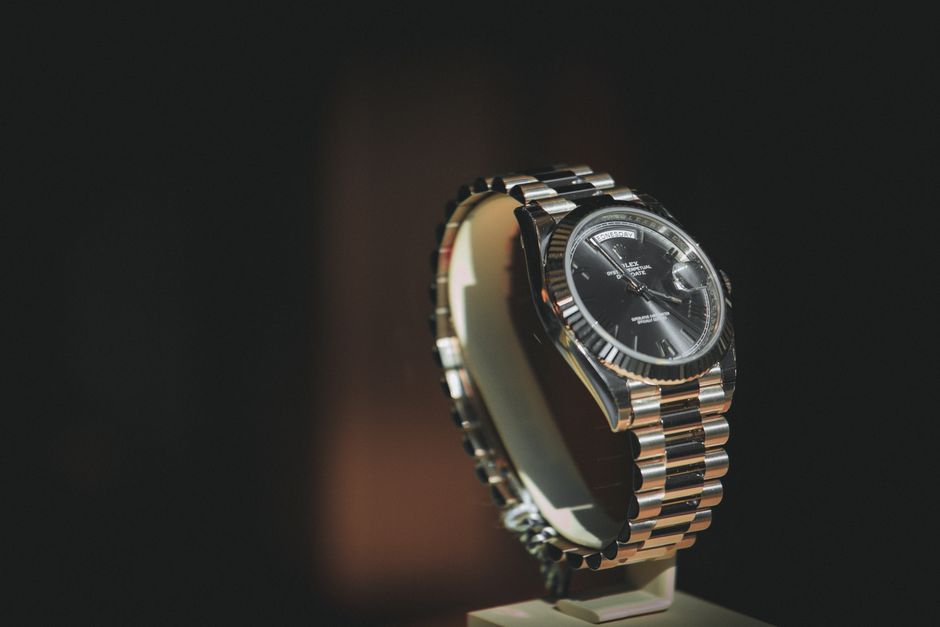
It’s a common misconception among buyers that MSRP equals market price. As companies like Diamond Banc and analysis platforms such as Market Realist highlight, a Rolex’s resale price on the secondary market can be significantly higher or, occasionally, lower than MSRP—depending on current demand and availability.
Dealer Comps Rolex: The Real Pulse of Pricing
When appraising or pricing a Rolex, professionals look beyond MSRP. Instead, they turn to dealer comps Rolex—that is, recent sales prices of similar watches recorded by trusted dealers or through auction houses. These transactional comparable sales (or "comps") offer a reality check that reflects what people actually paid last week, last month, marketrealist.com or last quarter.
- Why dealer comps matter: They incorporate current market dynamics such as demand surges, discontinued models, and geographic trends.
- Why auction results are key: Auctions provide transparent records of watch sales, useful for tracking rare or collectible Rolex models.
- Real-time pricing insights: Dealer sales data enables rapid adjustment of prices based on market movements, a necessity given the volatility of the luxury watch secondary market.
Without referencing dealer sales or auction results, price claims remain theoretical—often misleading buyers who rely solely on MSRP or advertised prices.
Scarcity from Discontinuation: A Price Driver
One major reason why Rolex secondary market prices can exceed MSRP is scarcity due to discontinuation. When Rolex stops making a model or changes key design elements, the original versions become limited in supply. Collectors jump on these watches because of their historical significance and rarity, driving prices upward.
You know what's funny? for example, although we’re not citing specific data here, secondary market dealers often see rises in prices for vintage references or recently discontinued steel sports models. These watches, no longer available through official channels, trade at premiums that can far outstrip their initial MSRP.
Collector Demand Cycles: The Emotional Factor in Pricing
Rolex watches are not just time-telling devices; they are cultural status symbols and investment vehicles. Collector demand ebbs and flows influenced by trends, social media, films, and economic conditions. These cycles heavily impact Rolex resale price.
Understanding these cycles helps explain why some Rolex models can seem overpriced compared to MSRP, while others may temporarily dip below suggested retail price during downturns or over-supply phases.
Key demand drivers include:
- Influencer endorsements and public exposure raising interest quickly.
- Fluctuations in precious metals markets affecting pricing for gold or platinum models.
- Interest rate changes and economic uncertainty altering discretionary spending and investment appetite.
Putting It All Together: Transaction Comps and Real-Time Pricing
The essential takeaway for anyone looking to buy, sell, or insure a Rolex is to rely on recent transaction comps rather than MSRP alone. Dealers and services like Diamond Banc use robust checklists and live market data to establish accurate valuations, lending transparency to an otherwise opaque market.
Pricing Factor Rolex MSRP Dealer Sales Impact on Value Availability New watches, ample stock (varies) Limited stock, sometimes scarce Scarcity drives premiums above MSRP Condition Brand-new Varies: New, Mint, Used, Service Condition directly affects resale price Model status Current production Discontinued or vintage models Discontinued models often command higher prices Market demand Stable, MSRP set by manufacturer Fluctuates with trends, economic factors Collector cycles cause price volatilityBottom line: if you want to understand what a Rolex is truly worth, focus on dealer sales data, not just the manufacturer's suggested retail price. This approach aligns with insights from market specialists like Market Realist and practical evaluations used daily by secondary-market buyers and sellers.
Final Reality-Check Question
When hearing a "market price," ask: “What did it actually sell for last week?” If the answer comes from a verified dealer comp or auction result, you’re looking at reality. If it’s just an MSRP or an unreferenced estimate, that number has little meaning in the high-stakes world of Rolex pricing.
By embracing dealer sales data and ignoring hype, you’ll gain a clearer understanding of the true Rolex resale price and navigate the secondary market confidently.