Why Do I Abandon Checkout When My Payment Option Is Missing?
If you’ve ever gone to buy something online and suddenly stopped at the payment screen, you’re not alone. One of the most common reasons for checkout abandonment is the lack of a preferred payment choice. Whether it’s your favorite digital wallet or a saved credit card, missing payment options can kill the checkout UX experience and tank conversion rates for businesses.
Phone-First Checkout Expectations: Why Mobile Matters More Than Ever
More than half of online shopping now happens on mobile devices, making a phone-first approach crucial for smooth checkout flows. Mobile users expect convenience, clarity, and speed—especially when it comes to payments. When a payment option they recognize and trust is missing, it feels like a dead end.
- Instant trust: Mobile shoppers want to quickly see familiar options like Apple Pay or Google Pay at checkout.
- Speedy interaction: The fewer taps, the better. A missing payment choice means an extra hassle or fallback, which disrupts the flow.
- Friction kills conversion: Even small annoyances — like forcing users to input a new card — increase the chance of abandonment.
In short, on mobile, the checkout experience needs to be optimized down to the payment stage. Without familiar digital wallets or saved payment methods, the friction really stands out.
Digital Wallets and Saved Payment Methods: The Essentials in Modern Checkout UX
Digital wallets (Visa Checkout, Mastercard Masterpass, PayPal, Apple Pay, Google Pay) and saved payment methods represent convenience and trust. Shoppers today have their payment info stored securely https://repliesprovider.com/why-paying-by-phone-has-become-part-of-everyday-digital-life/ either in their browser, their phone, or third-party apps. Checkout flows that don’t tap into these options face serious abandonment risks.
Why Are Digital Wallets So Popular?
- Speed: Payments can be authorized with a tap or two rather than typing full card details.
- Security: Using tokenized payment credentials reduces fraud risk, so customers feel safer.
- Trust signals: Seeing well-known brands like Apple Pay or PayPal reassuringly present at checkout builds buyer confidence.
Saved Payment Methods Make Repeat Purchases Effortless
Saved credit, debit, or digital wallet info lets returning customers breeze through checkout without re-entering data. That means fewer clicks and faster completion times. Conversely, if this option is missing or forced off, users must find their cards or apps, increasing abandonment.
Mobile UX: Fewer Steps but Clear Totals Win Every Time
Simplicity doesn’t mean opacity. Users want to feel informed and in control even if the checkout flow is streamlined. This means clear totals, tax calculations, shipping fees, and payment options right upfront. Confusion over costs or missing payment choices leads to hesitation and often abandonment.
- Show payment options early: Don’t force the buyer deep into the flow before showing what’s accepted.
- Keep it minimal but transparent: Reduce unnecessary input fields but show exactly what they pay.
- One-tap payments where possible: Apple Pay and Google Pay use biometrics to authenticate quickly. This reduces cognitive load and speeds up conversion.
Biometrics: The Checkout Friction-Buster
Biometric authentication—using fingerprints, facial recognition, or device passcodes—is transforming checkout by minimizing the classic “type card details” friction. When paired with digital wallets, biometrics not only speed up authorization but improve security perception.
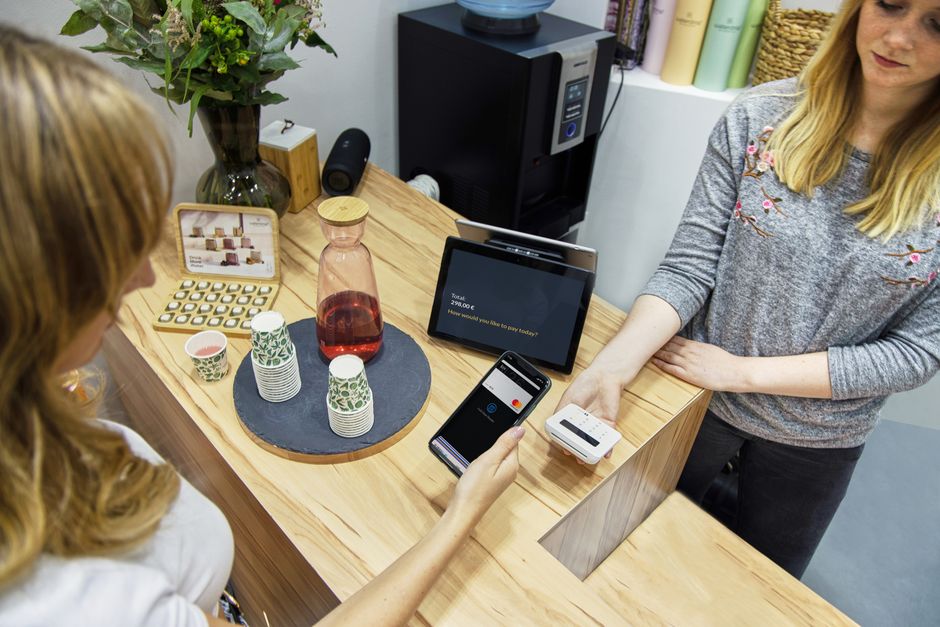
Users hate typing long card numbers, expiry dates, and CVVs, especially on small phone keyboards. Biometrics mean:
- Faster payment verification: Instant fingerprint or face scan substitutes PIN or password entry.
- Better security with less effort: No memorized passwords or typing mistakes.
- Seamless experience: Customers rarely even think about how payments are authorized—they just complete the order.
What Happens When Your Payment Option Is Missing?
Here’s the reality: customers who don't find their favorite payment method often:
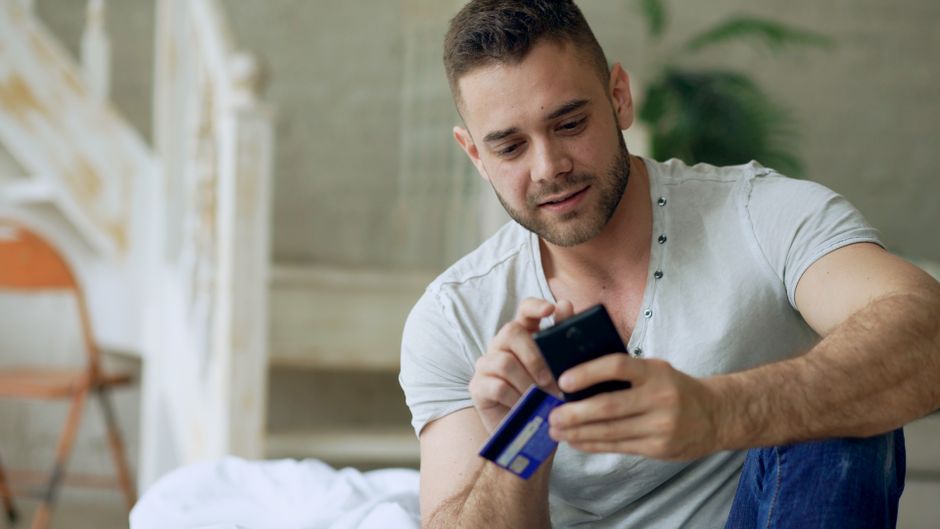
- Pause the checkout process: They consider the hassle of switching payment methods.
- Search for alternatives: Maybe dig through saved cards or switch devices to pay.
- Abandon the cart entirely: Simply stop and leave, which directly lowers conversion for sellers.
Often, replacing a missing option with a generic “enter your card manually” step isn’t good enough. It adds friction, increases the chance of errors, and irritates shoppers on mobile.
Best Practices for Checkout UX to Keep Your Customers Paying
Principle What to Do What to Avoid Offer Multiple Payment Options Include top digital wallets (Apple Pay, Google Pay, PayPal), plus saved cards integration. Limiting to just credit/debit entry or forcing a single payment route. Optimize for Mobile Use phone-first designs that minimize taps, auto-fill where possible. Long multi-step forms not optimized for small screens. Show Clear Costs and Totals Display shipping, taxes, and fees early in the flow. Hiding fees until the final step, causing sticker shock. Leverage Biometrics Enable fingerprint/face unlock via supported digital wallets. Relying on manual PIN or password inputs for all payments. Save Customer Payment Methods Securely Allow opt-in for saving payment info to speed repeat purchases. Forcing re-entry of payment details every time without choice.Conclusion: Payment Choice Really Matters for Checkout Success
In a world where mobile shopping dominates, checkout abandonment due to missing payment options remains a stubborn challenge. The modern shopper expects to quickly pay using their preferred digital wallet or a saved card, authenticated with biometrics, without jumping through hoops. When businesses fail to provide these payment choices, they lose customers — and revenue.
To boost conversion, optimize checkout UX for mobile by integrating top digital wallets, showing saved payment methods prominently, and leveraging biometric security features. Simple, secure, and familiar payment choices keep customers paying — and coming back.